A CLOSER LOOK
Methow Kits
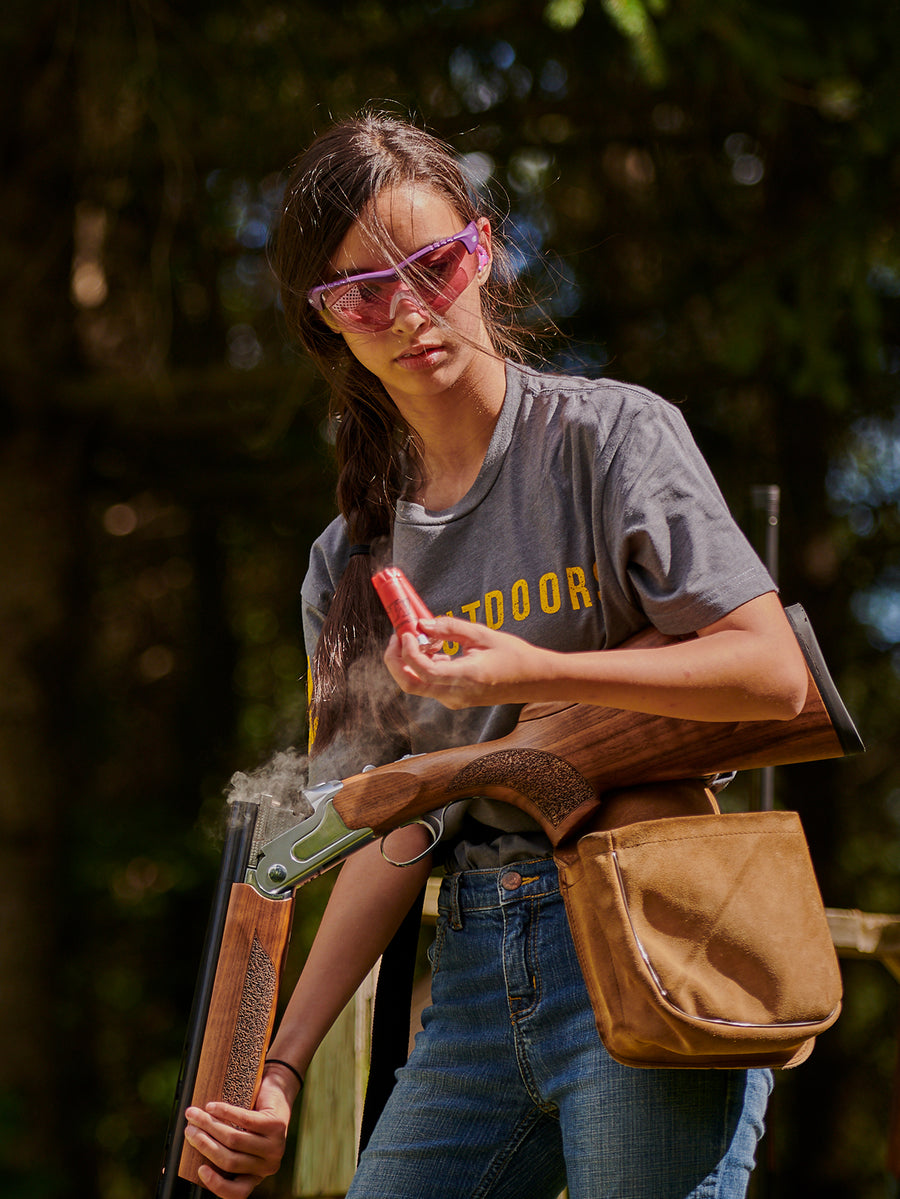
A wide view with interchangeable lenses for outdoor adventures and the range. Lens options for your eye color and changing light.
Explore Methow Kits
A wide view with interchangeable lenses for outdoor adventures and the range. Lens options for your eye color and changing light.
Explore Methow Kits
A traditional two-lens frame with interchangeable lenses. Choose Center Fire for amber, clear, and smoked lenses, or Clay for its HD lens selection.
Explore Chelan Kits
Polarized options help reduce reflected glare. Explore the collection and check each model’s lens and magnification options.
Explore Polarized Sunglasses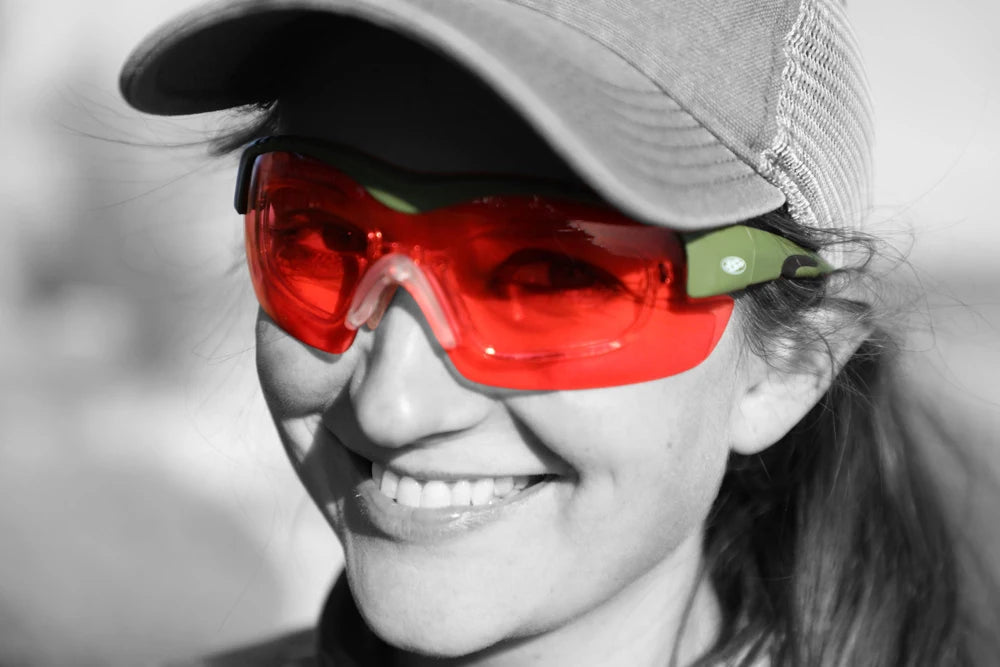
The Methow system accepts a separate prescription insert. Choose the prescription setup for your activity; the adapter alone does not include prescription lenses.
Explore Methow Rx Shotgun Kits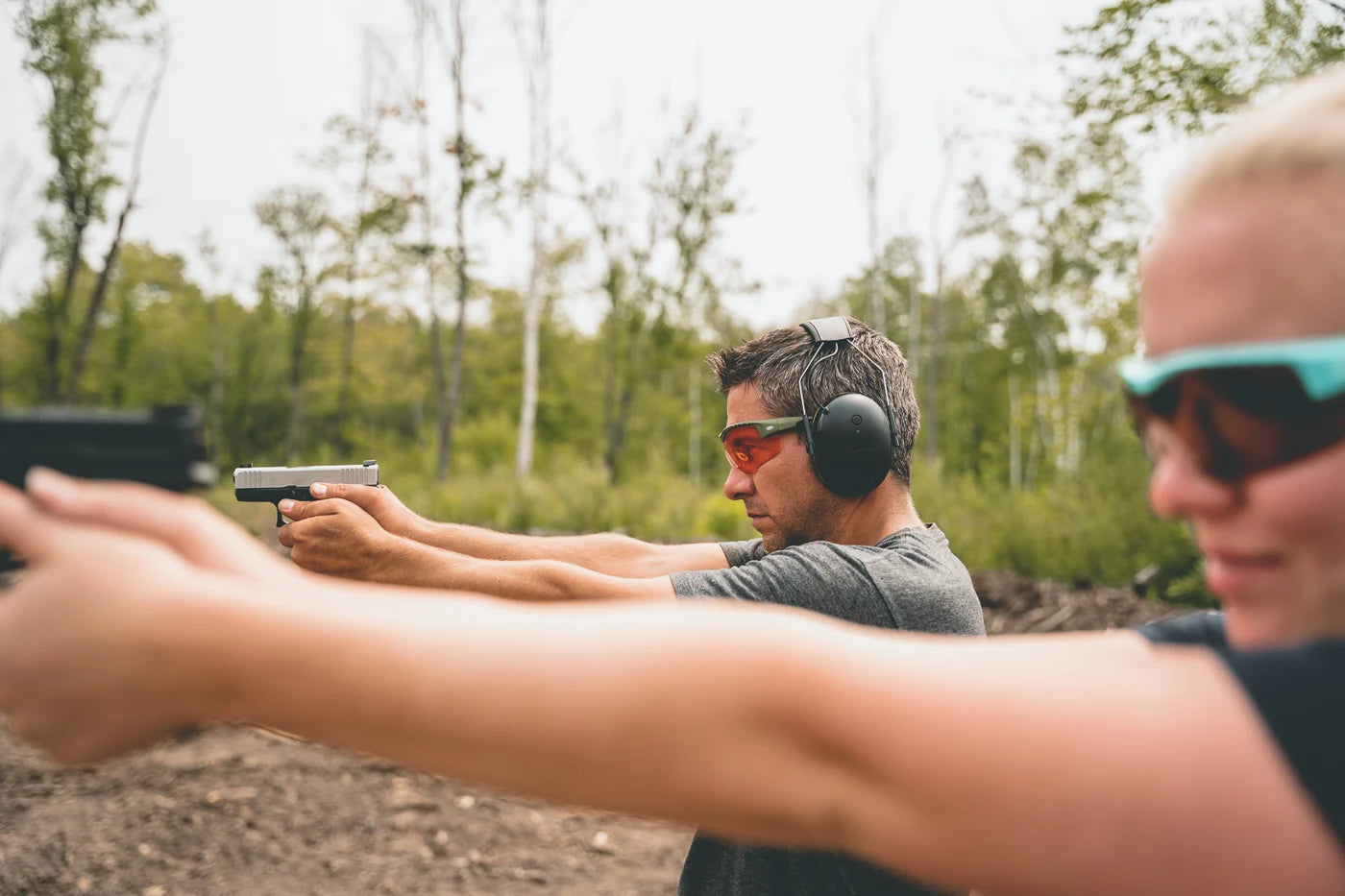
Explore Methow prescription configurations for pistol and rifle use, with a focal setup tailored to the task. Ask the SSP team about your prescription and fitting needs.
Explore Methow Rx Top Focal — Pistol / Rifle
Explore Methow prescription bifocal configurations for work and close-up tasks. Your prescription and lens setup determine the finished configuration.
Explore Methow Rx Bifocal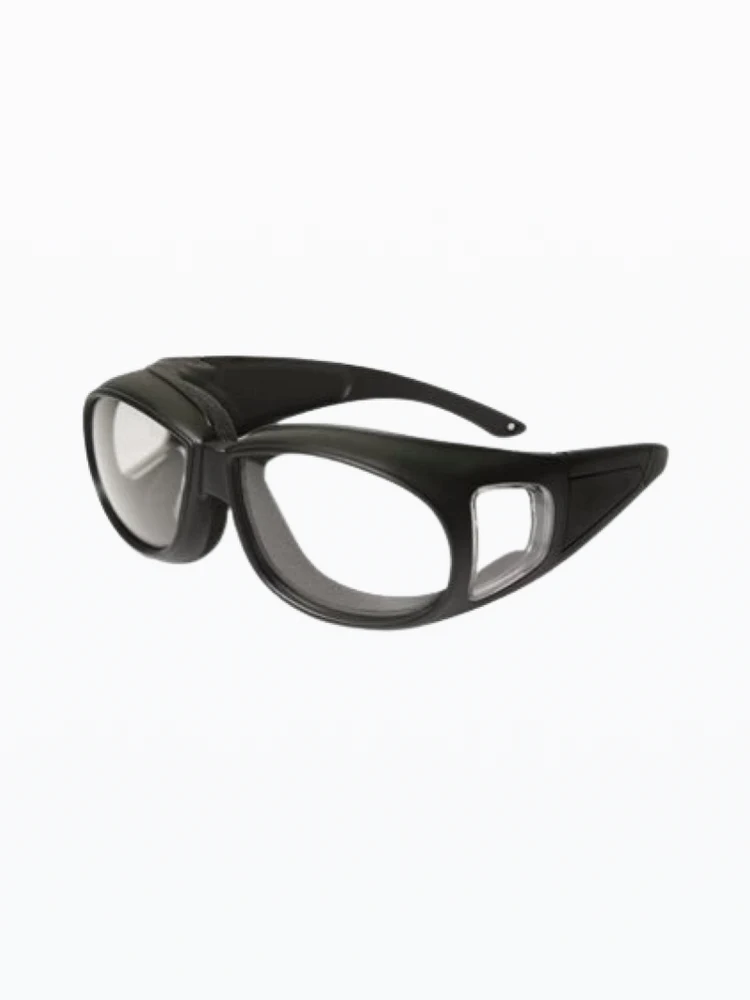
Wear protective eyewear over your existing glasses. Check the fit and measurements before choosing your pair.
Explore Over-the-Glasses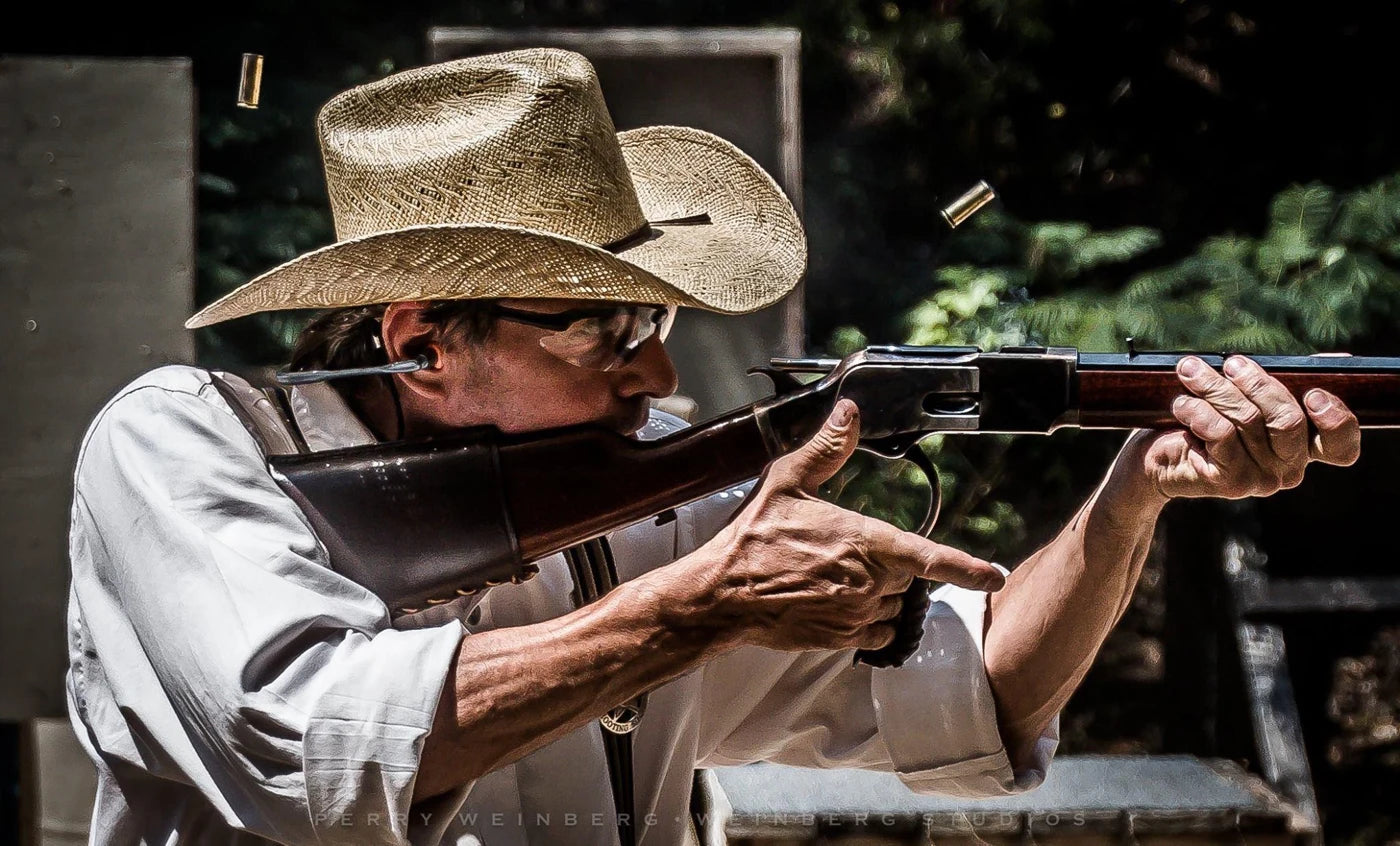
Magnification at the bottom of the lens helps with near work while the upper area stays unmagnified. Includes interchangeable lens colors.
Explore Denial Bottom Focal Kits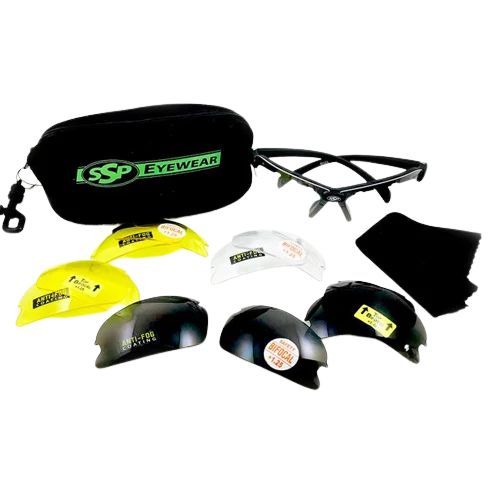
Magnification at the top of the lens helps bring close details into focus when you look upward. The Ultra Kit also includes bottom bifocal lenses.
Explore Top Focal® Kits
A familiar sunglass shape with a reading area low in the lens. For close-up tasks without giving up your view into the distance.
Explore Entiat BifocalsSSP EYEWEAR
Practical guidance shaped by customer feedback shared with Mike and the SSP team—from the range, the field and the water. Find a starting tint, then let your eyes decide.
Build your Methow kit →FROM THE RANGE • CUSTOMER INSIGHTS
Your light. Your background. Your eyes. Start with a tint below, then compare it where you shoot.
Choose the lightest tint you can wear comfortably without squinting. Watch a clay break: look for clear edges, visible dimples and fragments that stand out like fireworks.
In conversations with customers, Mike hears a range of tint preferences: some with lighter eyes prefer darker tints, while some with brown eyes prefer lighter ones. Eye color is a starting clue, not a rule. Individual sensitivity, lighting and background matter more.
Desert, sagebrush & hunting
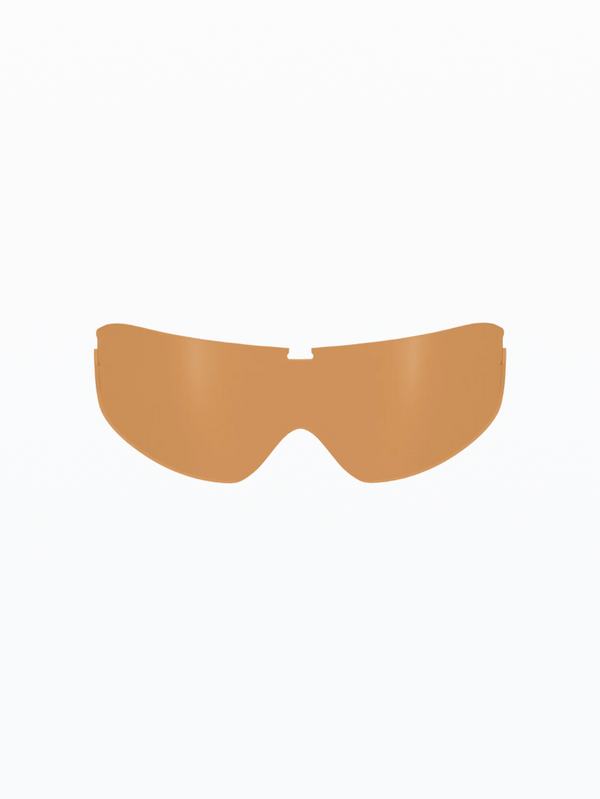
Mike has heard from multiple customers who appreciate Copper Bronze for contrast while hunting in sagebrush and desert country. Originally developed for pilots, this tint is listed as Bronze or Belgium Bronze in some Methow options.
Lens photograph; appearance varies with your screen and lighting.
Blue sky & dark green trees
Customers have told Mike that Dark Purple helps them pick out targets against dark green trees under a bright blue sky. Compare it in your own light, especially if you prefer a darker tint.
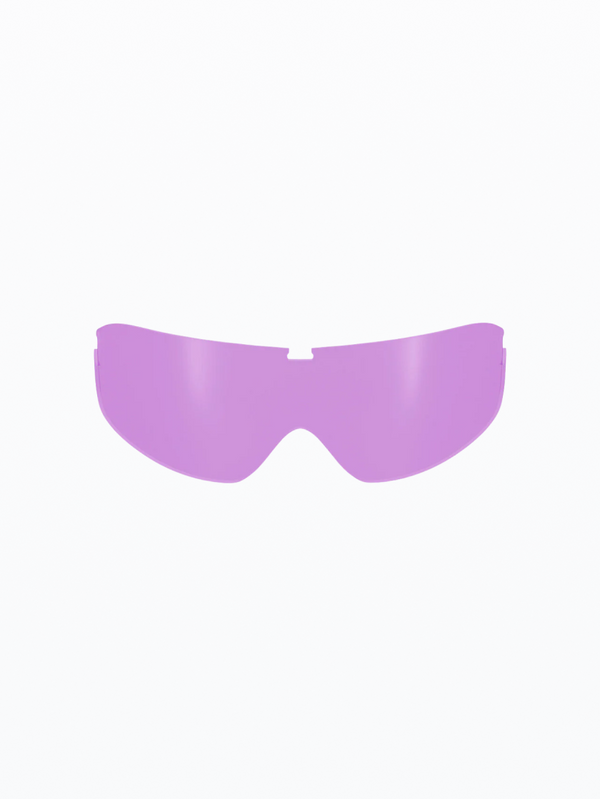
Lens photograph; appearance varies with your screen and lighting.
Overcast skies & dark green backgrounds
A vermilion option for target contrast. The idea came from a New Zealand importer whose customers liked a similar dental-lens tint; SSP developed it at their request.
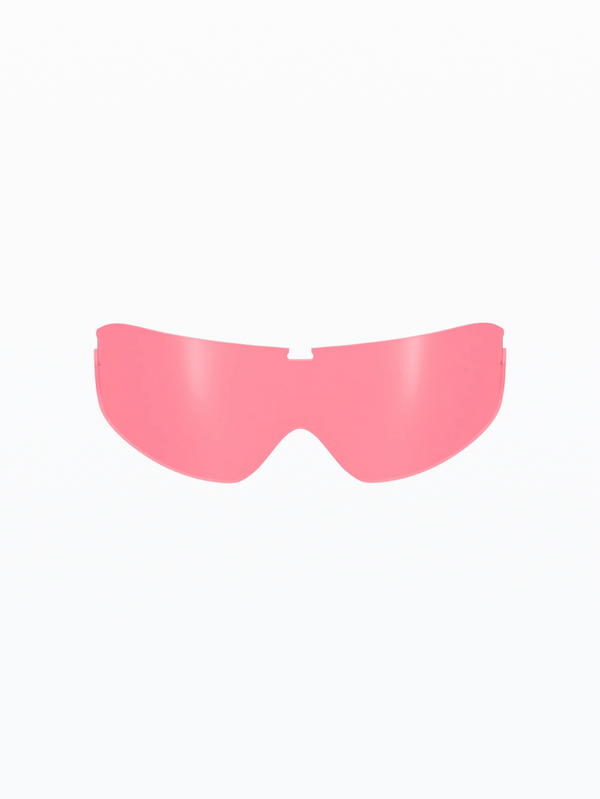
Lens photograph; appearance varies with your screen and lighting.
Orange clays & autumn leaves
Mike has heard from customers who find Tangerine helpful for separating orange clays from yellow and red autumn foliage. Try it against the leaves and light on your own course.
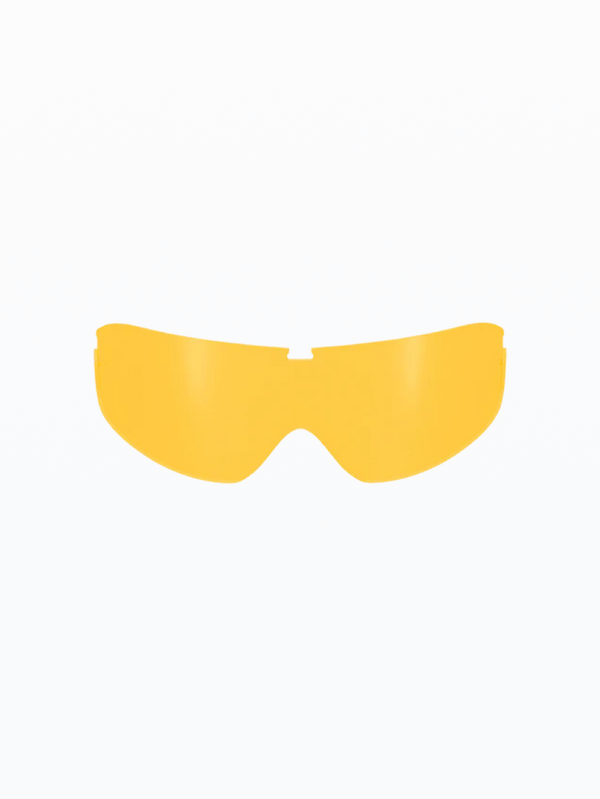
Lens photograph; appearance varies with your screen and lighting.
Fog & very dim conditions
Developed for conditions common in the Northwest. Compare target definition when the day is heavily clouded or available light is very low.
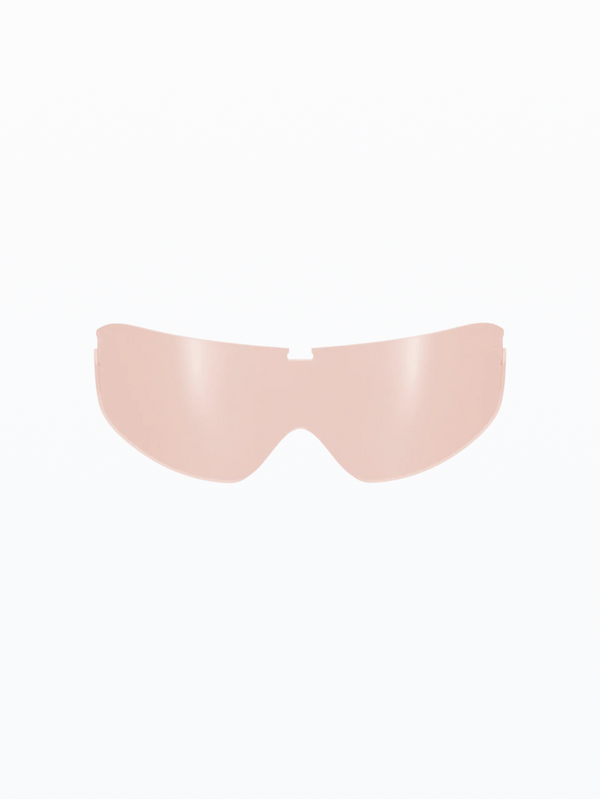
Lens photograph; appearance varies with your screen and lighting.
A step up from Low Light
A slightly darker alternative when Low Light feels too light. Let the actual background and your comfort decide.
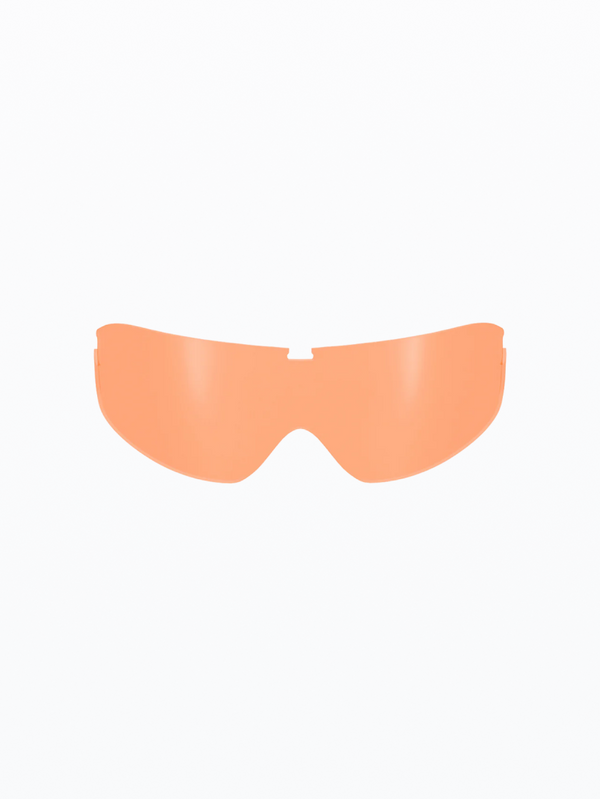
Lens photograph; appearance varies with your screen and lighting.
Snow & bright desert
Customer feedback shared with Mike points to Kiwi as an option for snowy surroundings, including reports from Alaska shooters. Compare it for comfort and target definition in reflected light.
Silent excerpt from SSP’s lens demonstration. Camera and screen colors vary; this is not a calibrated optical preview.
Archive footage labels this tint “Kiwi Brown.”
A brown-eye starting point
Try Huckleberry and Grapefruit side by side. A customer favorite is a starting point; your eyes and background make the final decision.
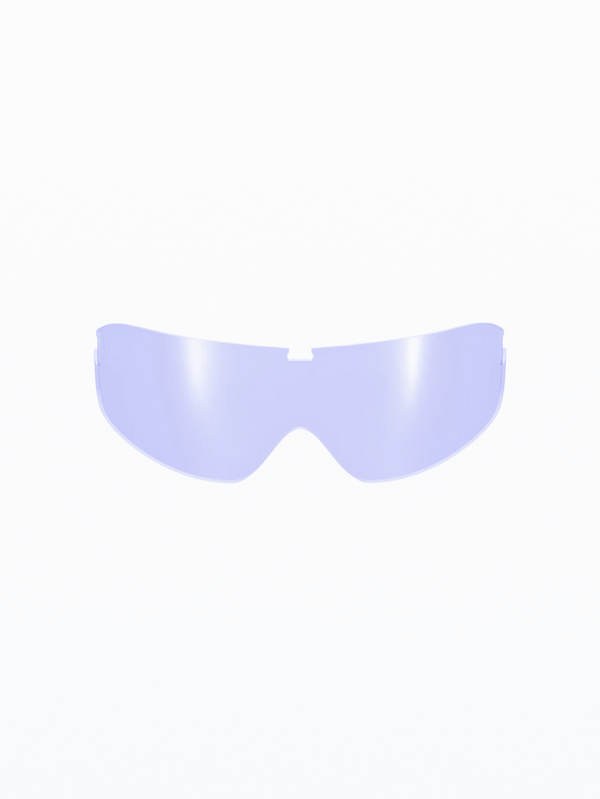
Lens photograph; appearance varies with your screen and lighting.
A brown-eye starting point
A popular alternative to Huckleberry for brown-eyed customers. Watch a clay break and choose the tint that makes the pieces stand out.
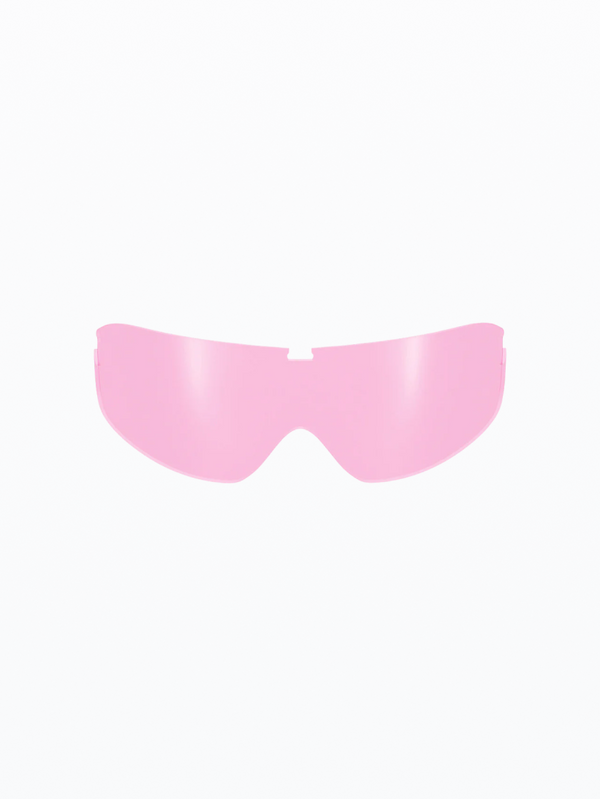
Lens photograph; appearance varies with your screen and lighting.
Green targets under lights
Customers have told Mike that SSP’s Lemon Yellow helps green targets stand out. Some traditional black-powder customers also report improved target visibility through residual smoke; conditions vary.
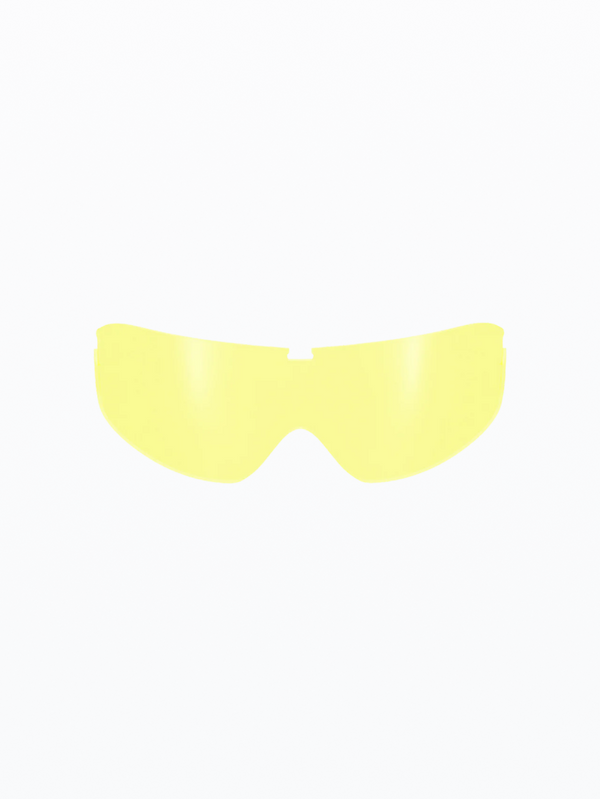
Silent excerpt from SSP’s lens demonstration. Camera and screen colors vary; this is not a calibrated optical preview.
Indoor pistol & rifle
Included in the Methow kit because many clay shooters also shoot pistols and rifles indoors, especially through northern winters.
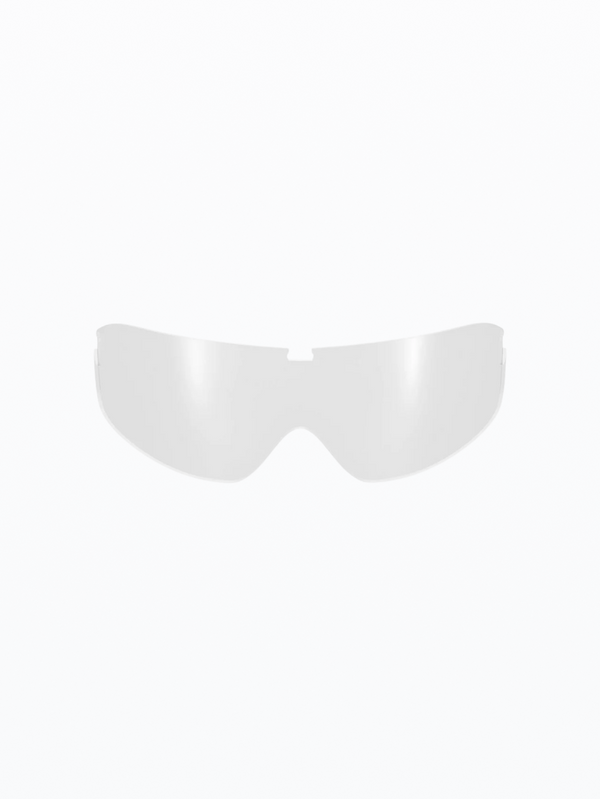
Lens photograph; appearance varies with your screen and lighting.
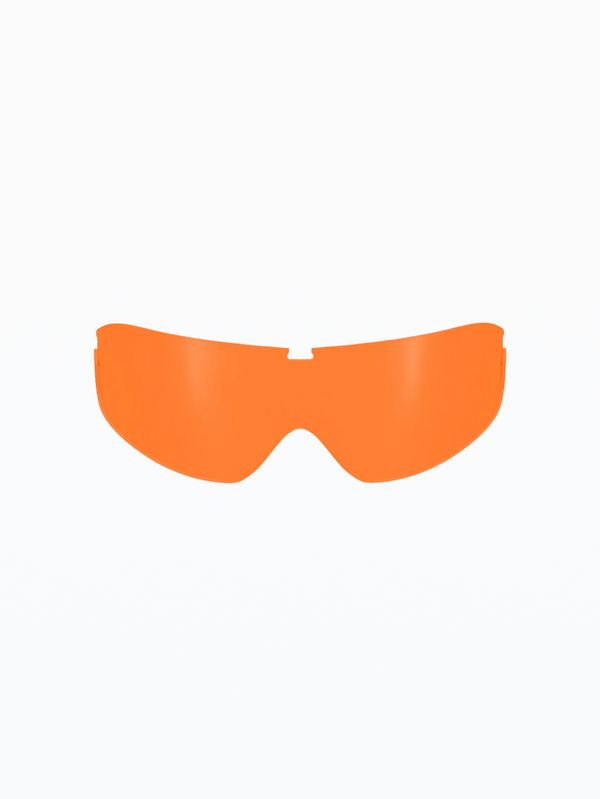
Compare a deeper orange tint
A deeper orange option in the Methow range. Compare it with Tangerine against your usual background, and choose by comfort and target separation.
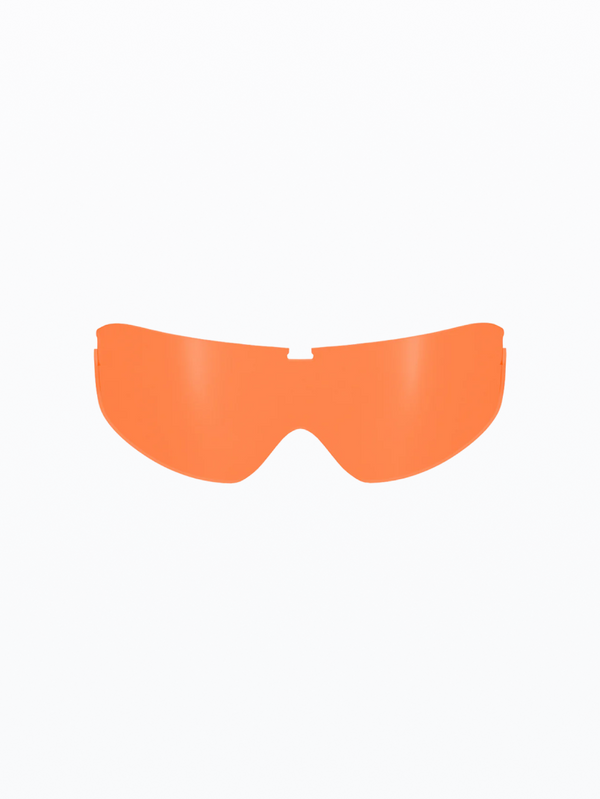
Lens photograph; appearance varies with your screen and lighting.
FROM THE RANGE • CUSTOMER INSIGHTS
A prescription insert sits behind your interchangeable Methow lenses, so one prescription can work across up to 12 outer lens colors.
The adjustable nose bridge helps position the insert for your face. Supply your prescription and pupillary distance, and have the optical fit checked so the lenses are centered correctly.
Single-vision distance correction is a starting option for trap, skeet, sporting clays and hunting. It keeps the viewing area dedicated to the target. Discuss your prescription and shooting needs with the SSP optical team.
A lower reading segment can help instructors score, read or handle everyday close work. SSP also offers this option for rifle shooters and outdoor use; choose the design around your actual sighting and reading needs.
SSP can make progressive inserts, and some customers prefer them. Discuss your prescription, sighting needs and intended use with the SSP optical team.
SSP asks for your dominant hand and dominant eye to customize the insert. The dominant eye has distance correction with a lined near segment at the top; the other eye remains distance. A small downward head tilt brings the iron sights into the upper segment. This design can support both-eyes-open shooting; fit and results are individual.
RedEye is a separate magnetic aid that attaches to the lens to help manage competing sight pictures. SSP offers it for shotgun and pistol shooters working toward both-eyes-open shooting. It is sourced from another manufacturer. Setup, practice and individual eye dominance affect the result.
Developed for pilots looking across a blue horizon, Copper Bronze has also drawn positive feedback from customers talking with Mike about hunting and contrast in desert terrain. For flight use, check the eyewear requirements of your aircraft, displays and operator.
Polarized lenses can reduce reflected glare from water and are useful for shore fishing. They can also make some electronic displays harder to read at certain angles. Mike has heard from customers who prefer a non-polarized copper tint when reading boat electronics is the priority. Tint color and polarization are separate choices; test your actual screens.
Tint alone does not tell you which wavelengths a lens filters or by how much. Ask SSP for transmission data for the specific lens if blue-light filtering is important to your choice.